Free Consultations + 708-888-2160Calls Answered 24/7


Local Lawyers.
Personal Results.
Pain Management Techniques for Severe Injuries
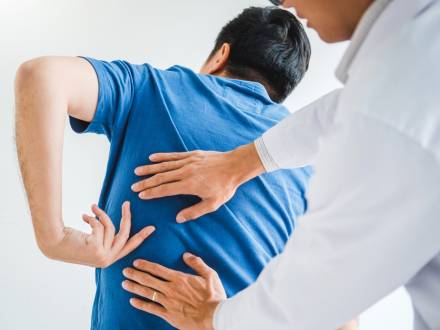
Experiencing a severe injury can cause extreme pain and make everyday life harder. Fortunately, there are pain management techniques that can help reduce discomfort and support recovery. Understanding these techniques can help patients work with their doctors during recovery.
If you suffered a catastrophic injury caused by another person’s negligence, contact an attorney to not only protect your rights but also help you seek compensation for the medical care and support you may need during recovery. At Schwartz Injury Law, our experienced Joliet, IL injury lawyers are highly respected for our devoted client service. We will do everything we can to help you ease your recovery.
What Are the Best Ways to Manage Pain After a Severe Injury in 2026?
Recovering from a severe injury often means finding the right combination of treatments to manage pain. No single approach works for everyone. The best results usually come from a mix of medical care, physical rehabilitation, and other supportive methods.
Medications Can Help Ease Severe Pain
Medications are a common approach to managing pain from severe injuries. Over-the-counter options such as acetaminophen (like Tylenol) or anti-inflammatory drugs might help with some types of pain. However, severe injuries may require stronger prescriptions, including opioids.
Opioids may be prescribed for severe pain in some cases, but they should be used carefully because they carry risks, including addiction. Always consult a healthcare professional to ensure the chosen medication meets your needs.
Physical Therapy Can Be Beneficial for Recovering from a Severe Injury
Physical therapy (PT) plays an essential role in recovering from severe injuries. Trained therapists can develop customized exercise plans for each patient. These plans can help strengthen muscles, improve flexibility, and promote healing. Exercises and stretching can help reduce pain and restore function. Physical therapy can sometimes be combined with medication or other treatments as part of a broader recovery plan.
Alternative Pain Management Methods
In addition to traditional treatments like medication and physical therapy, alternative therapies can help with pain management. Massage therapy can help relieve tension and enhance overall well-being. This makes it a valuable complement to traditional medical treatments.
Some people also use mind-body techniques, such as meditation, yoga, and guided imagery, to help manage pain. These practices focus on relaxation and can help people cope with the emotional effects of severe pain. Managing stress may also help some people cope with pain.
Can You Be Compensated for Pain and Suffering During Your Recovery?
Pain and suffering can be an important part of an Illinois injury claim. This term covers the physical pain you feel and the emotional toll an injury can bring. Anxiety, sleep problems, and a lower quality of life can all fall under this category. Illinois law allows injured people to seek compensation for these losses in a personal injury claim.
Unlike medical bills or lost wages, pain and suffering does not come with a receipt. Instead, it is often based on the severity of the injury, the length of recovery, and how daily life has changed. Insurance companies may try to downplay these losses, so strong evidence is important. A clear picture of how an injury has affected your body and your daily routine can support a fair settlement or verdict.
If you want to pursue payment from the person responsible for your injuries, don’t wait to take action. Illinois sets a two-year time limit for most injury claims, and past that point, you might not be able to recover payment for pain and suffering (735 ILCS 5/13-202).
How Can You Document Pain and Suffering After an Injury?
Good records can make a real difference in an injury claim. Keeping a daily journal is one of the simplest ways to track pain and suffering. Write down your pain levels, sleep quality, mood, and any tasks you struggled to complete. Photos of visible injuries can also help show the extent of the harm over time. Medical records are another key piece of evidence.
Medical professionals can note your symptoms and treatment progress at each visit. Statements from family members or coworkers can add further support, especially if they have noticed changes in your mood or activity level. Missed events, canceled plans, and changes to hobbies or exercise routines are also worth recording. The more consistent and detailed your records are, the easier it becomes to show how the injury has affected your life.
Should I See a Doctor About Chronic Pain After an Accident?
Chronic pain after an accident should never be ignored. Seeing a doctor allows your symptoms to be tracked and treated properly. It also creates a medical record that connects your ongoing pain to the original injury.
When you see a doctor, be completely honest about your symptoms. Do not downplay your pain or leave out details, even if the pain seems minor or comes and goes. Full honesty helps your doctor choose the right treatment plan for your specific injury. It also protects your injury claim. Insurance companies often look for gaps or inconsistencies in medical records to argue that an injury is not as serious as it seems. Honest, detailed reporting can make it harder for an insurance company to dispute the extent of your injuries.
Beyond your legal claim, honesty with your doctor can lead to better pain management overall. A doctor who understands how much pain you are experiencing can recommend treatments suited to your needs.
Contact Our Will County, IL Catastrophic Injury Attorneys
Managing pain from severe injuries requires a comprehensive approach. By understanding the various techniques available, ranging from medications to alternative therapies, patients can work with healthcare providers to create a personalized pain management plan.
However, paying for pain management can be very expensive and recovery may take many years. If someone else was responsible for your injuries, you may be able to hold them accountable. Do not hesitate to seek support and explore various options to find the relief you need. For legal assistance in this process, contact the Joliet, IL personal injury lawyers at Schwartz Injury Law. Call 708-888-2160 for a free consultation.

Follow Us


From our offices in Orland Park, Arlington Heights, Glen Ellyn, Joliet, Elmhurst, Peoria, and Rockford, the legal team at Schwartz Injury Law represents injury victims and their families throughout Illinois, including Barrington, Chicago, Downers Grove, Alsip, Crestwood, Oak Forest, Hinsdale, Hoffman Estates, Palos Heights, Mokena, Frankfort, Homer Glen, New Lenox, Naperville, Rolling Meadows, Schaumburg, Elk Grove Village, Des Plaines, Mount Prospect, Prospect Heights, Wheeling, Buffalo Grove, Palatine, Champaign, Tinley Park, Urbana, Savoy, Mahomet, Rantoul, Bloomington, Normal, Morton, Pekin, Westmont, and Washington.
Results listed are not a guarantee or indication of future case results.
14496 John Humphrey Drive, Suite 100, Orland Park, IL 60462
708-888-2160